
Why luck isn’t the only factor in casino success
The Psychology of Casino Games
The allure of casino games often stems from intricate psychological factors that tap into human emotions. The thrill of risk and the chance of winning can create a potent cocktail of excitement and hope. Games are designed to provoke emotions such as anticipation and excitement, which can lead players into a state of flow where they lose track of time. This immersive experience is what keeps players coming back to the best online casino australia , perpetually seeking that euphoric feeling associated with winning. Understanding these psychological triggers is critical for both players and developers as they shape the gaming experience.
Addiction can also be influenced by the concept of variable rewards, a principle deeply rooted in behavioral psychology. Unlike fixed rewards, where outcomes are predictable, games that offer variable payouts keep players engaged by creating suspense and maintaining interest. This unpredictability can be extraordinarily enticing, drawing players into a cycle of play where they continuously chase the next big win. The dopamine release associated with these moments creates a feedback loop that can eventually lead to compulsive gambling behaviors, making it imperative for players to recognize their patterns.
Moreover, the ambiance of a gaming environment plays a significant role in enhancing addiction. The combination of sounds, lights, and even the layout of game areas is meticulously crafted to create an environment that feels exhilarating and inviting. When players step into a casino, they are greeted with a sensory overload that heightens their excitement and contributes to their desire to engage with the games. This carefully curated atmosphere amplifies the psychological triggers that make casino games irresistible, creating a unique blend that keeps players returning for more.
The Role of Game Design
The design of casino games significantly affects their addictive potential. Developers invest considerable resources in creating visually appealing graphics, engaging narratives, and innovative gameplay mechanics. These elements work together to captivate players’ attention and stimulate their interest, making them more likely to spend extended periods gaming. The animations and thematic sounds accompanying these games can enhance the overall experience, immersing players deeper into the gameplay and creating a sense of attachment to the game itself.
The mechanics of casino games are also crafted to promote regular engagement. Many games incorporate bonus features, free spins, or progressive jackpots that encourage players to keep betting. These mechanics are designed not just for entertainment but also for the potential of future rewards, which can further hook individuals. Players often find themselves returning to exploit new features or to try their luck at winning a life-changing jackpot, reinforcing their gameplay cycle and deepening their emotional investment in the outcome.

Moreover, social interaction can also be a consideration in game design. Many online platforms allow players to interact, fostering a sense of community. This social aspect can heighten the addictive nature of casino games, as players may feel encouraged to join in for shared experiences, making each session feel more rewarding. The social environment can amplify the thrill and make players feel a part of something larger, which can significantly contribute to their continued involvement and loyalty to specific games or platforms.
The Impact of Marketing and Branding
The role of marketing in the addiction of casino games cannot be overlooked. Promotional strategies effectively attract players by leveraging the desire to win and experience excitement. Advertisements often highlight the potential for instant riches and an enticing lifestyle that could be obtainable through gaming. This kind of marketing creates a narrative that glorifies gambling, making it appear as a tantalizing escape from the mundane aspects of everyday life and drawing in players of various backgrounds.
Additionally, the use of influencers and social media has transformed how casino games are perceived. As influencers showcase their gameplay experiences and winnings online, their followers may feel compelled to join in. This can create a bandwagon effect, where the fear of missing out drives individuals to participate in games they might not have considered otherwise. Social proof, combined with traditional marketing strategies, can significantly boost participation rates and contribute to game addiction, making it crucial for individuals to critically assess the messaging they encounter.
Another aspect to consider is the availability of mobile gaming applications. With the rise of smartphones, players can now access casino games wherever they are, at any time. This convenience significantly lowers the barriers to entry, allowing for more spontaneous and frequent gameplay. The constant accessibility means that players can engage with games during idle moments, such as commuting or waiting in line, which can further reinforce addictive behaviors. The integration of technology and gaming creates a seamless experience that makes it all too easy to keep playing, often blurring the lines between casual play and compulsive gaming.
The Influence of Rewards and Incentives
Incentives play a crucial role in maintaining engagement in casino games. Many platforms offer welcome bonuses, free spins, and loyalty programs, which are structured to keep players invested in the gaming experience. These rewards not only enhance the initial experience but also encourage players to return in hopes of unlocking further benefits. The anticipation of receiving a bonus can drive players to engage more frequently, fostering a habit that can lead to addiction. Consequently, understanding these incentives is vital for players trying to navigate their gaming experiences responsibly.
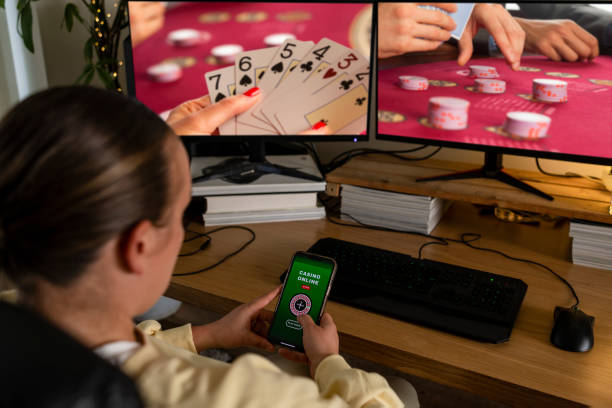
Moreover, the concept of “losses disguised as wins” plays a pivotal role in how players perceive their gaming experiences. When a player bets a certain amount and wins back less than they wagered, the game often emphasizes this win, creating an illusion of success. This psychological trick can significantly influence behavior, as players may feel encouraged to continue playing to recover perceived losses. Such mechanics can trap individuals in a cycle of gaming that is difficult to break away from, necessitating a deeper awareness of one’s gaming habits.
Additionally, many platforms introduce gamification elements to make the experience more engaging. For instance, players can earn points, complete challenges, or reach new levels, which provide a sense of achievement. This structure not only enhances the gaming experience but also fuels addictive tendencies by rewarding continued play and creating a sense of progression. These rewards can reinforce the desire to keep playing, making it challenging for individuals to step away from the gaming environment, as they often associate their self-worth with their gaming success.
Understanding Responsible Gaming
While the addictive nature of casino games can lead to enjoyable experiences for some, it is essential to recognize the importance of responsible gaming. Understanding personal limits, recognizing signs of addiction, and establishing healthy gaming habits are crucial for maintaining balance. Casinos and gaming platforms often provide resources and support for players to make informed decisions about their gaming habits, promoting a healthier relationship with gambling. This proactive approach can empower players to take control of their gaming experiences.
Moreover, responsible gaming initiatives help raise awareness about the potential risks associated with excessive play. Many platforms offer self-exclusion options, setting deposit limits, and providing access to support organizations that can assist individuals grappling with gambling addiction. These measures are fundamental in ensuring that the fun remains within boundaries and that players can enjoy games without falling into harmful habits. The emphasis on education and support is vital for fostering a safe gaming environment.
By promoting responsible gaming, both players and providers can foster an environment that prioritizes safety and well-being. Understanding the mechanics that contribute to addictive behaviors allows individuals to make informed choices, ultimately leading to a more sustainable approach to gaming. Awareness, education, and active engagement in responsible practices create a healthier gaming culture that benefits everyone involved, allowing players to enjoy the excitement of casino games without the adverse effects of addiction.
