
Can luck really influence your success in casino games?
The Nature of Luck in Gambling
Luck is often regarded as a mystical force that plays a crucial role in gambling, particularly in casino games where outcomes are inherently unpredictable. The belief in luck can affect players’ mindsets and their overall approach to the game. Many gamblers hold onto the notion that luck is a tangible element that can be harnessed or influenced, leading to the intriguing question: Can this belief have any real impact on their success? For instance, when playing online pokies , many players attribute their wins directly to luck rather than strategy or skill.
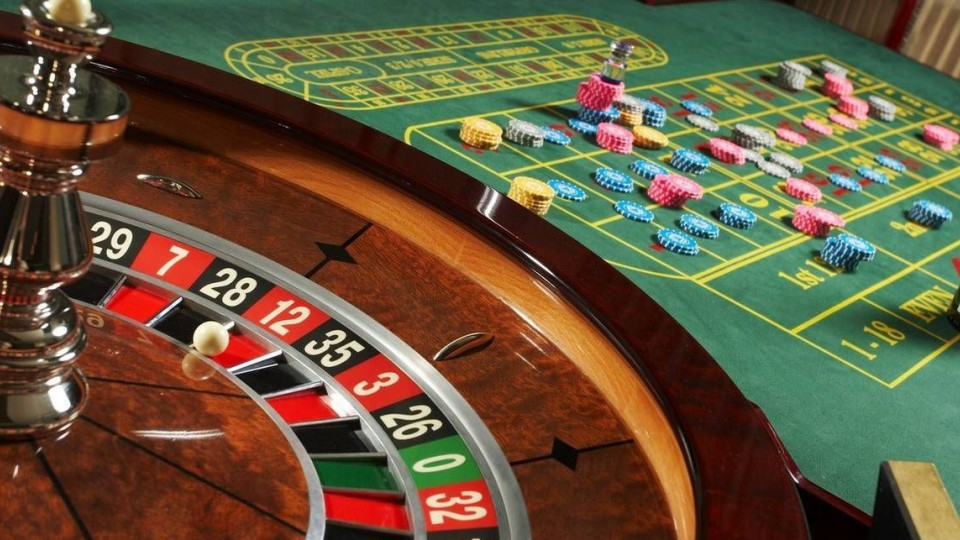
Casino games vary widely in terms of their reliance on skill versus chance. Games such as blackjack and poker integrate elements of strategy and decision-making, allowing skilled players to increase their odds of winning. In contrast, games like roulette and slots are purely chance-based, with outcomes determined by random number generators or spinning wheels. This distinction is critical for understanding the role of luck, as it can seem more dominant in games where skill plays a lesser role. Nevertheless, even in skill-based games, luck can still sway the outcome in significant ways, illustrating the complexity of this relationship.
For many, luck is not just a random occurrence but something that can be cultivated. Superstitions, rituals, and behaviors often shape how players engage with games. This phenomenon can be observed in everything from the choice of lucky numbers to specific seating arrangements at a table. Psychologically, these beliefs can enhance a player’s confidence and emotional investment in the outcome, ultimately influencing their behavior during play. Understanding luck’s psychological impact is essential for recognizing how it intertwines with both expectation and performance in casino settings.
The Science of Randomness
Casino games are meticulously designed to incorporate randomness, which is a fundamental aspect of gambling. The randomness of games ensures that every outcome is independent, meaning that past results do not influence future ones. This principle is grounded in probability theory and is a key reason why luck is often invoked in discussions about success in gambling. Players frequently overlook the mathematical probabilities at play, focusing instead on their belief in luck’s influence over their gaming experience.
The randomness inherent in casino games is governed by algorithms in electronic games and by chance in table games. For instance, slot machines utilize random number generators that dictate the outcome of each spin, ensuring that every player’s experience is unique. This lack of predictability highlights the nature of luck in gambling—while players may experience winning streaks, these are often statistical anomalies rather than indicative of a skillful approach or reliable strategy. Recognizing this randomness can help players manage their expectations and approach the games with a more informed mindset.
Despite the emphasis on chance, players can still apply mathematical principles to improve their odds. Understanding concepts such as house edge, variance, and expected value can provide a clearer picture of the likelihood of winning in various games. While such strategies do not eliminate luck, they allow players to make more informed decisions. A focus on the mathematical basis of games can demystify the experience of gambling, enabling players to balance their beliefs about luck with a clearer understanding of the mechanics at play in the casino environment.
The Psychological Factor of Luck
Luck extends beyond mere chance; it embodies a psychological component that can markedly influence a gambler’s success. The belief in luck can greatly affect a player’s mindset, leading to varied outcomes based on confidence and emotional state. A player who feels lucky may take risks they otherwise wouldn’t consider, while a person convinced that they are unlucky might hesitate to engage fully, potentially missing opportunities for victory. This psychological dynamic underscores the importance of mindset in the realm of gambling.
Research in behavioral psychology suggests that our beliefs about luck can lead to self-fulfilling prophecies. If players enter the casino with a strong sense of optimism and belief in their luck, they may engage more fully in the process, exhibit more confidence, and ultimately make better decisions. Conversely, negative beliefs about one’s luck can result in a lack of engagement and focus, leading to poorer decisions and outcomes. Emphasizing a positive outlook may not alter the foundational randomness of the games, but it can significantly impact a player’s approach and results.
Furthermore, the social environment of the casino can also influence one’s perception of luck. Observational learning, or the tendency to mimic the behavior of others, can amplify feelings of luck. For instance, if a player witnesses someone winning a large sum, they may feel inspired and inclined to believe that luck is on their side. This social influence can create an atmosphere of collective luck, enhancing the gambling experience and affecting the outcomes for those participating. Understanding these psychological factors is crucial for players looking to navigate their casino experience effectively.
Strategies to Mitigate Luck’s Role
While luck will always play a role in casino games, there are strategies that players can adopt to mitigate its influence and enhance their chances of success. Choosing games that emphasize skill over chance is one approach. Games like poker involve strategic decision-making and psychological tactics—elements that can be manipulated to improve outcomes. In this way, players can rely less on luck and more on their intellectual and emotional capabilities, ultimately leading to a more favorable gaming experience.

Additionally, effective bankroll management is crucial in managing the unpredictability associated with gambling. Establishing clear limits on losses and wins can help players maintain control over their gambling experience and reduce the risk of chasing losses. This discipline can serve to reduce the emotional strain associated with luck’s volatility. By adhering to a well-planned gambling strategy, players can navigate the ups and downs of luck more effectively, enjoying the thrill of the game while minimizing potential negative impacts.
Moreover, understanding personal triggers and reactions to winning and losing can help players manage their expectations regarding luck. Self-awareness allows players to recognize when they might be overemphasizing luck’s role in their outcomes. By focusing on the elements within their control and accepting the randomness inherent in casino games, players can cultivate a healthier relationship with luck and gambling, improving their overall experience and effectiveness in the casino world.
Conclusion: The Role of Luck in Your Gaming Experience
Ultimately, the interplay between luck and skill in casino games is complex and multifaceted. While luck can undeniably influence short-term outcomes, particularly in chance-based games, skilled strategies can significantly affect long-term success. Understanding the distinction between these elements allows players to navigate their gaming experience with greater clarity and purpose. As players engage with casino games, they should recognize the role of luck, while also appreciating their own skills and strategies.
As much as luck can feel like a defining factor in success, players can cultivate an atmosphere that balances luck with strategy, discipline, and self-awareness. The intersection of psychology, randomness, and strategy creates a rich landscape for gamblers who seek more than just luck at the casino. By being mindful of these dynamics, players can enhance their overall gaming experience, making their time in the casino not just about chance but about informed and strategic play.
Whether you’re a seasoned player or new to the world of casinos, understanding the dimensions of luck can enrich your approach to gaming. This nuanced perspective can lead to a more enjoyable and potentially successful gambling experience, where players engage not only with luck but also with the skills and strategies that can set them apart in the casino. Embrace the thrill, respect the game, and may the balance of luck and skill work in your favor.
